To Grow or Not to Grow
You are tasked with growing a woodcutting company, but the only way to win is to know when to stop growing...
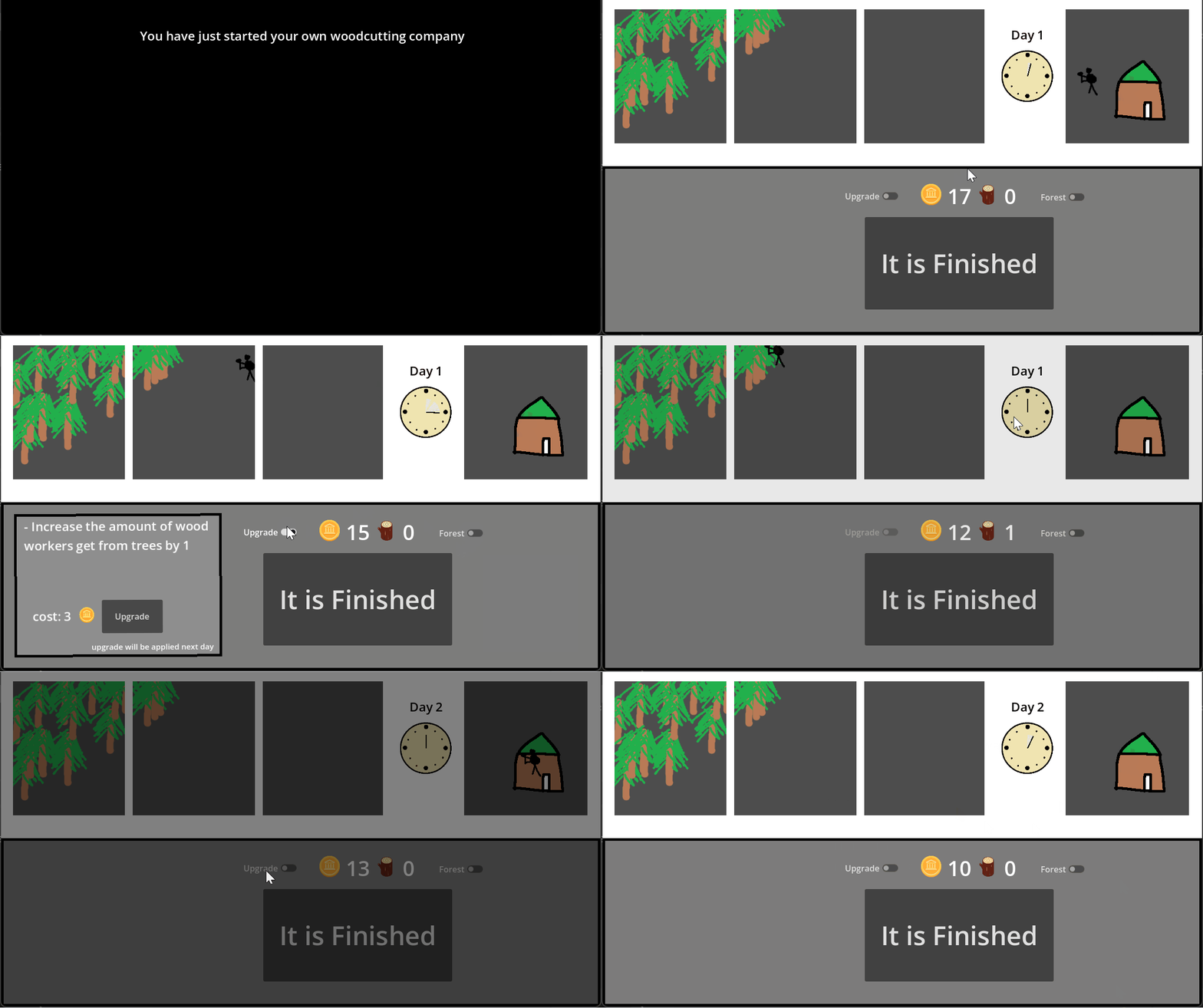
Project Setup
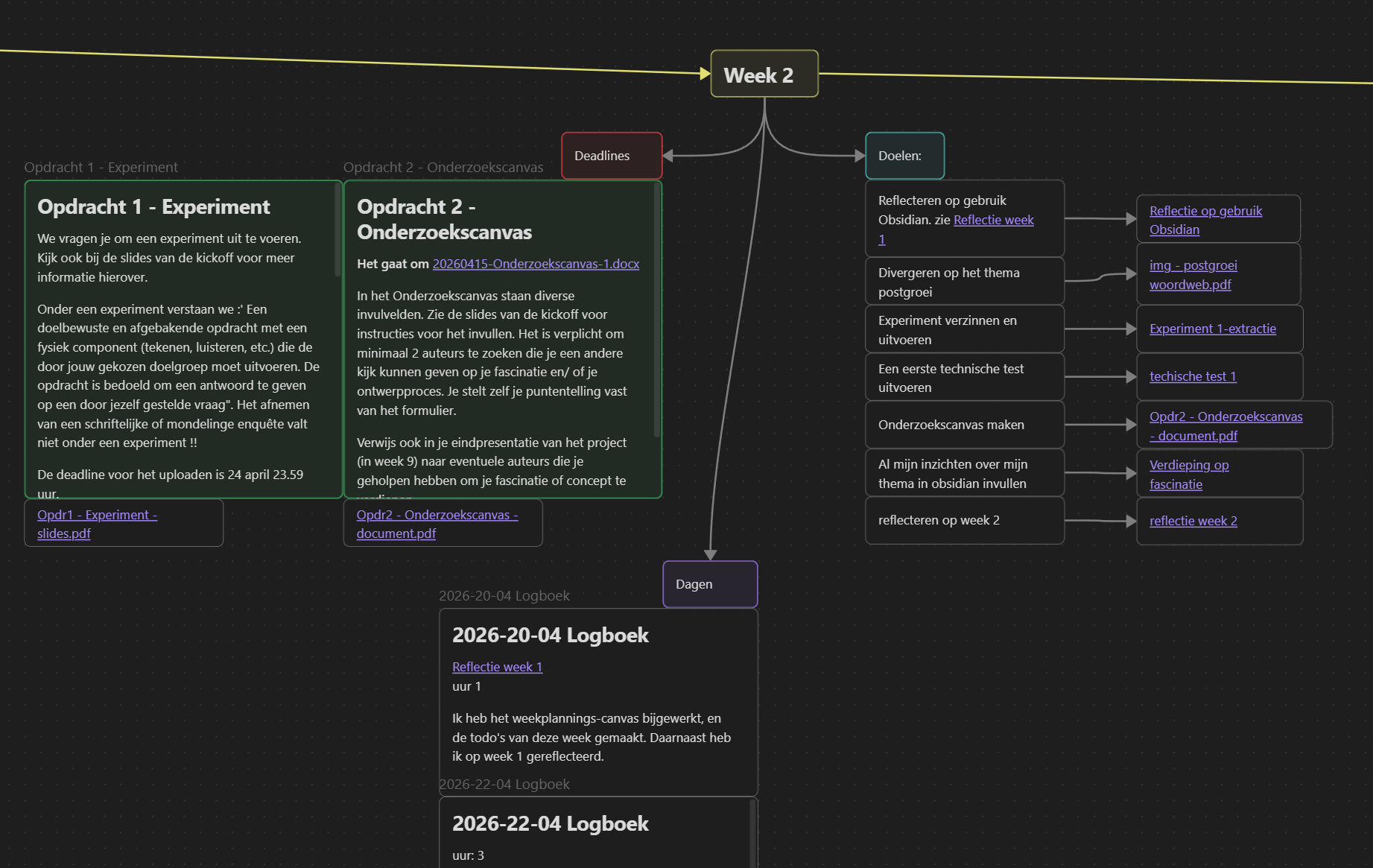
I created an Obsidian Canvas where I collected my goals for the week, my logbook entries of the week and references to the tasks I accomplished that week
Documentation
This project I worked with Obsidian for the first time, and by evaluating my use of the software regularly I learned a lot about how I can use it efficiently.
A few things I learned:
- Living documents are great
- Only make a document when it serves a purpose
- Folder structure is important!

To have a basic structure for the project, I created this overview of the weeks I had and what I will work on that week. I followed this plan strictly to avoid spending too much time on the wrng things.
Research
How can I make a game about Post Growth?
For this project I did a lot of research, ranging from reading books to doing little social experiments on people hehe
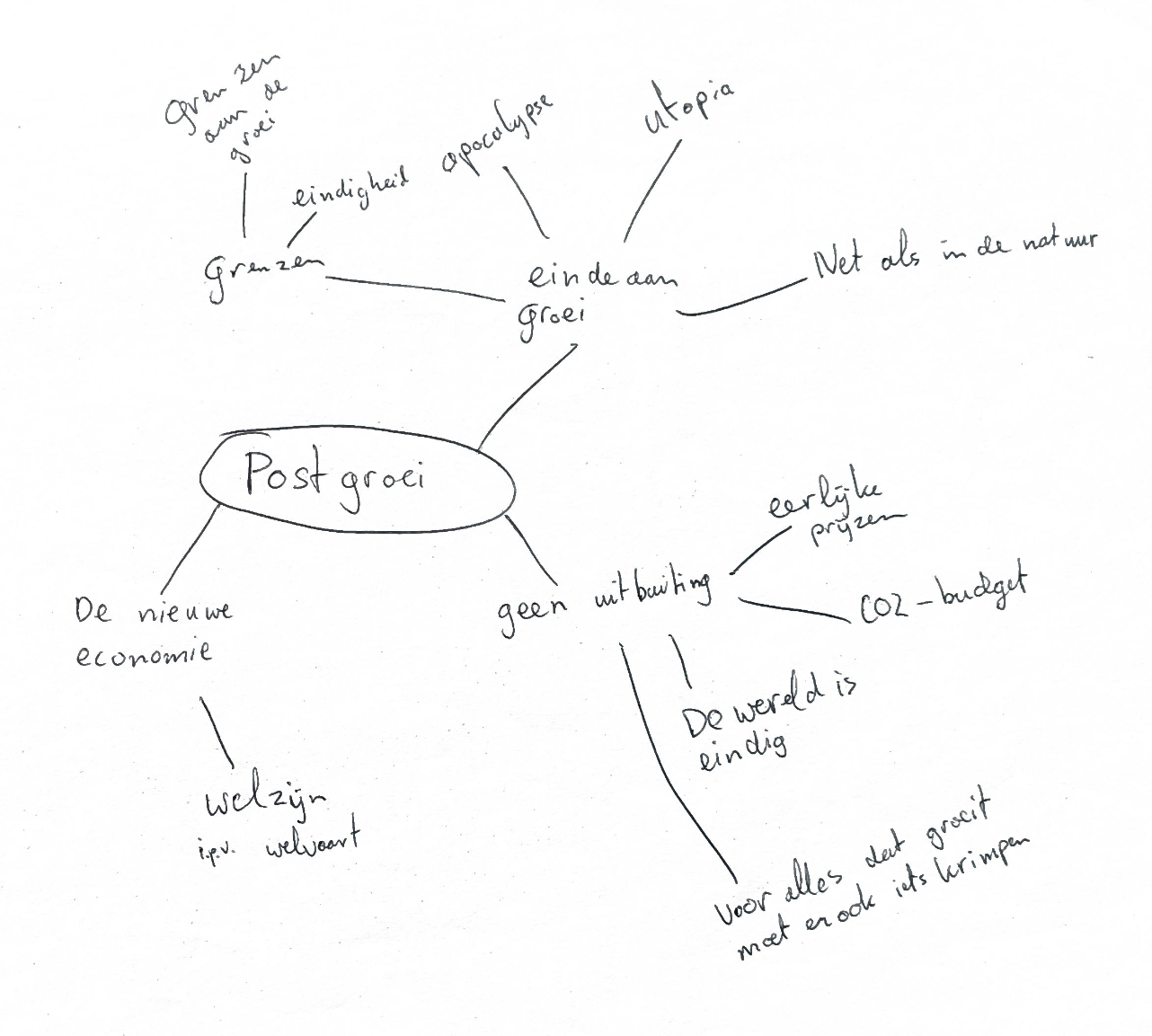
When I started this project, I did not know anything except that I was going to make a game about what fascinates me. I was interested in post-growth economics, so I went with that.
Post Growth
So I decided I was interested in Post Growth. But what is that? And why am I interested in it? I can't possibly make a game about the entire real world economy.
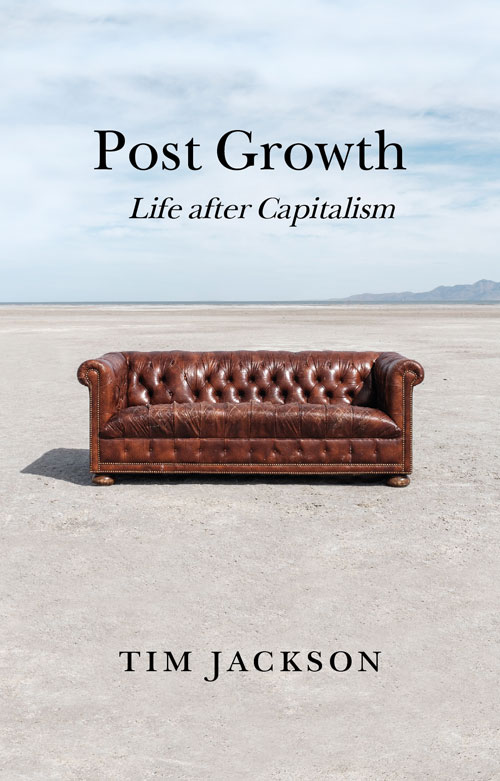
So I had to research my fascination. I gathered some materials like "Post Growth" by Tim Jackson, and the Podcast "Er is leven na de groei".
To find an answer I constantly drafted possible answers, so at least I quickly gathered what I don't want.
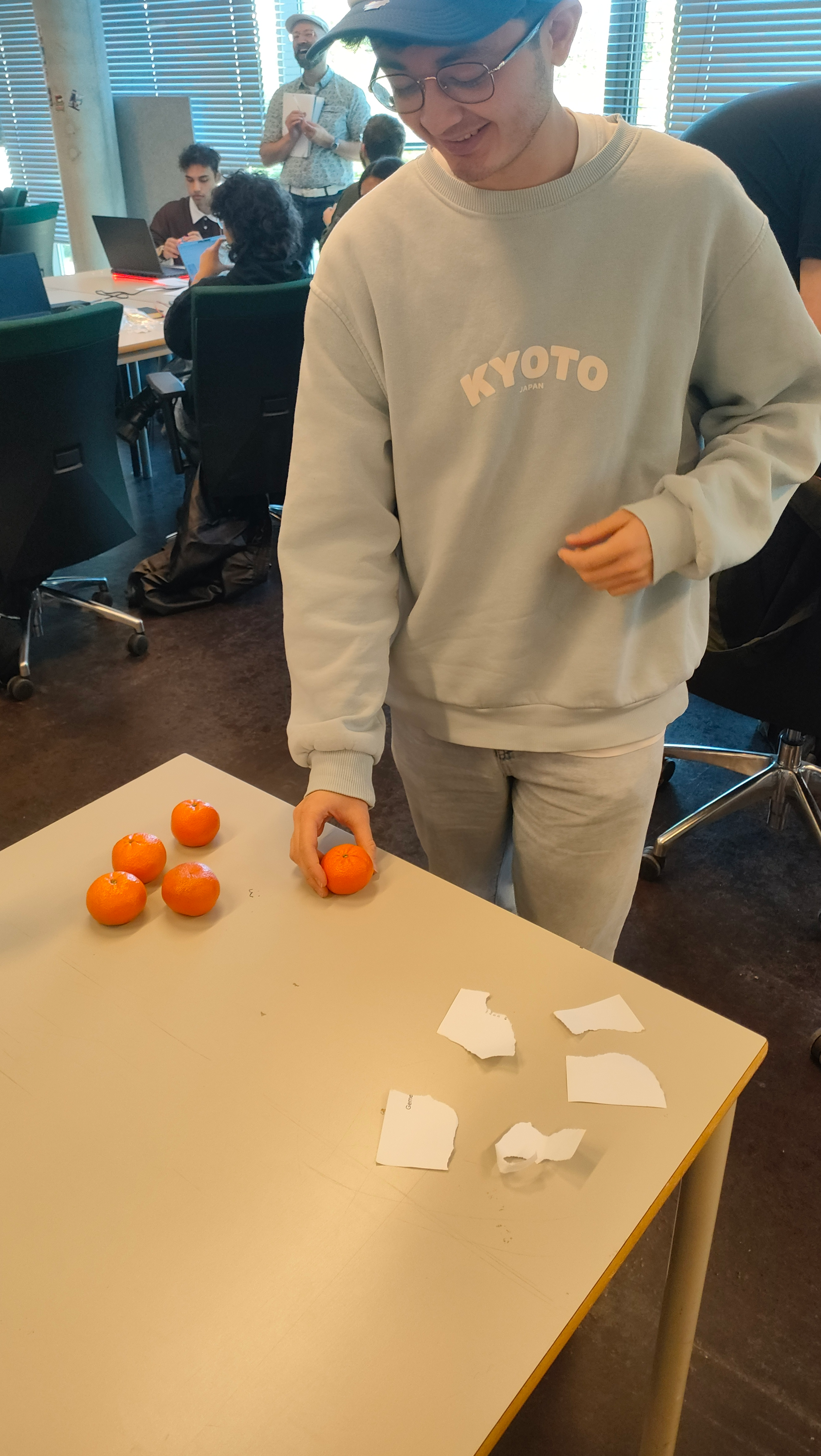
Someone is stealing a mandarin from a fictional coutry!
Interaction
I wanted to see how players would react to being tasked to extract value from a fictional world. These were my main take-aways:
- Context determines everything: "stealing" from a tree feels very different than stealing from another human.
- When players don't see the consequences of their actions, they won't expect their actions to have consequences.
- When players give something back, even tho it is worth much less than what the player takes, they feel a lot better about "stealing"
The Goal
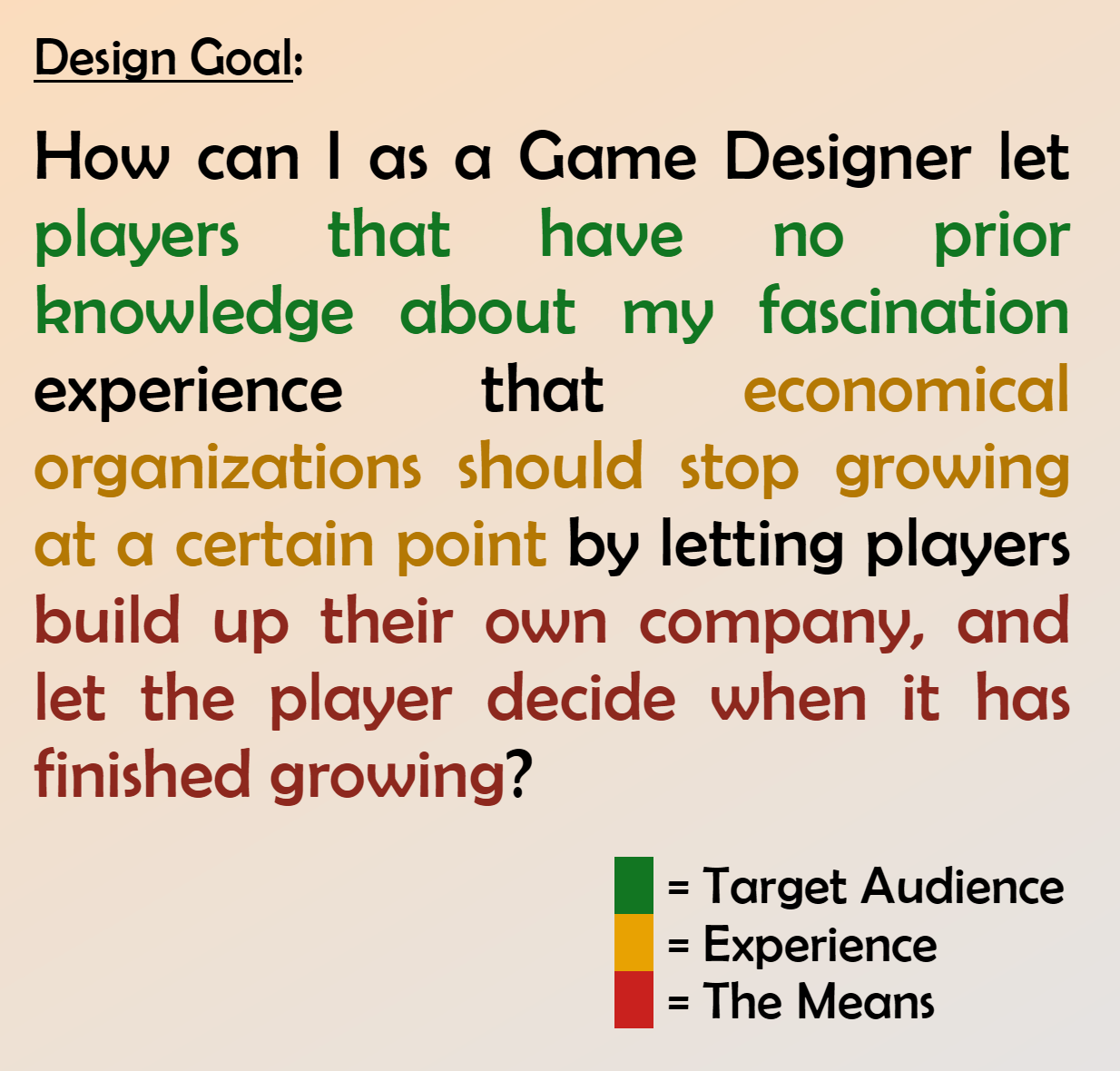
After a lot of iterating, and even writing an article, I arrived at a Design Goal.
A Design goal that specifies Target audience, the intended experience and the means with which this experience will be achieved.
Concept
The Loop
The Gameplayloop I designed to be a straightforward you grow a resource (money) passively. The player then has to decide what they spend the money on: more employees, more trees ormore efficiency.